
View Our Portfolio of High Impact Outreach Campaigns for Leading London Firms

Newswire Now Media Group delivers a portfolio of high‑impact outreach campaigns that generate measurable media placements, improved search visibility, and stronger institutional‑style credibility for leading London‑based firms. Each project is designed as a structured, evidence‑driven process that converts one research asset into sustained outreach over 20–30 days rather than a single‑blast event.
Which outreach approach delivers stronger results for professional services firms?
A structured, multi‑week outreach approach that repurposes one core report into 30 days of targeted media conversations delivers stronger results than generic one‑off email blasts for professional services firms. This model is built on editorial‑style distribution, clear segmentation, and outcome‑based sequencing rather than mass‑shot campaigns.
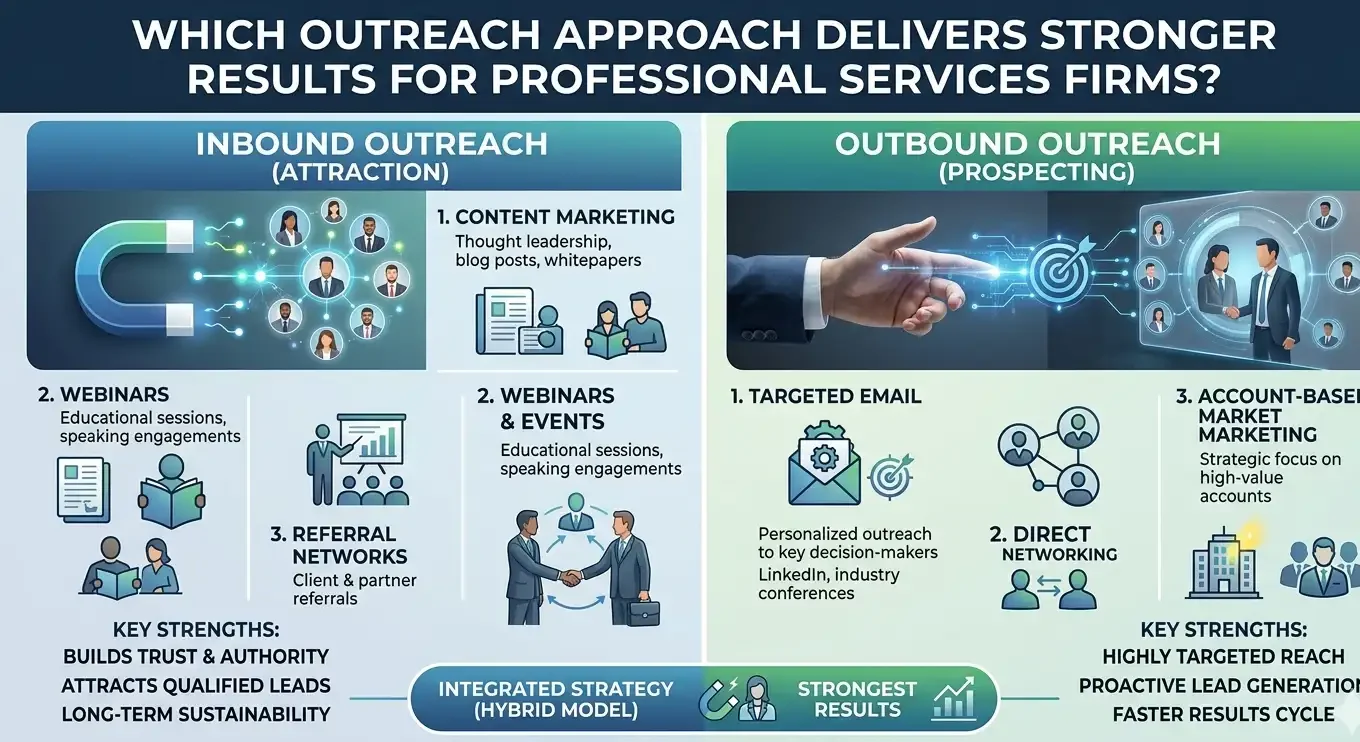
Generic one‑time campaigns scatter attention across a broad list and then disappear from the media‑landscape quickly. In contrast, the 30‑day outreach model aligns with how journalists and editors plan their content calendars, giving each segment of the report a distinct editorial window. Newswire Now Media Group designs this window so that each message feels like a new development rather than a repeat.
Dive Deeper With Our Expert Guides and Related Blog Posts:
The Results are In How Real Time Newsroom Distribution Outperforms Traditional PR Ads
Get a Quote for Professional Reputation Management and Mass Media Outreach Services
By extracting 4–6 thematic clusters from a single report and assigning each to a specific media‑list segment, the service dramatically increases the number of usable angles. Each segment can be directed at sector‑specific outlets, regulatory‑focused publications, and opinion‑media channels, so that the same research underpins multiple coverage threads. This approach reduces the risk of duplication while maximising the value of each placement.
Because the 30‑day framework is built on segmentation, scheduling, and format diversity, it is more likely to yield multiple placements than a single broad‑shot send. Each placement in turn strengthens the brand’s SERP footprint and feeds into a more stable, trust‑based reputation profile.
How does a 30‑day outreach campaign raise media visibility and reputation?
A 30‑day outreach campaign raises media visibility and reputation by increasing the number and quality of earned placements that appear in search results and news‑style formats under the firm’s name. This approach treats the campaign as a reputation‑engineering process rather than just a visibility‑boost tactic.
Within this framework, each segment of the report is converted into a distinct media‑style outcome. For example, one cluster may become a policy‑focused feature in a trade‑law publication, another a data‑driven piece in a financial‑regulation outlet, and a third an expert‑comment module for mainstream‑style coverage. Each outcome appears as a unique, third‑party‑backed entry in the SERP narrative.
Search engines interpret multiple independent, high‑quality outlets mentioning the same brand as evidence of notability and relevance. When a firm’s name appears across 8–12 different outlets within a 30‑day window, the SERP composition shifts from sparse, self‑published content to a denser, externally‑validated narrative. This change improves the perception of authority and can stabilise rankings over time.
Newswire Now Media Group embeds these patterns into the 30‑day workflow so that each email, press release, or data‑card is optimised for both editorial and platform signals. The result is a coherent sequence of content that is visible to both human readers and search‑driven reputation systems, driving measurable improvements in overall visibility and institutional‑style trust.
What measurable outcomes do 30‑day outreach campaigns produce?
30‑day outreach campaigns produce measurable outcomes in the number of placements, SERP impact, referral‑traffic patterns, and the proportion of high‑quality media outlets that publish related content. These outcomes are tracked, reported, and tied directly to reputation and visibility KPIs.
Key measurable outcomes include:
- A defined number of published articles, features, and expert‑comment pieces across different outlet tiers, with each URL logged for audit and reporting.
- Improved SERP composition for branded and sector‑specific queries, with new news‑rich entries and by‑line snippets appearing in the top positions.
- Higher‑quality referral traffic from news‑style and professional‑media outlets, often with longer dwell times and lower bounce rates than standard PR campaigns.
Newswire Now Media Group quantifies these results by mapping each placement to a pre‑agreed objective set and then comparing pre‑ and post‑campaign SERP snapshots. This comparison shows how the 30‑day sequence shifts the narrative around the brand, replacing generic or low‑trust signals with third‑party‑validated coverage. The service ensures that each £ invested contributes directly to an auditable media‑relations return.
How does Newswire Now Media Group ensure reliability and consistency in outreach?
Newswire Now Media Group ensures reliability and consistency in outreach by following a fixed, repeatable workflow for briefing, segmentation, distribution, and reporting, aligned with institutional‑style press‑office standards. This approach removes guesswork and provides a clear, traceable record of every campaign.
Within this workflow, each campaign starts with a detailed briefing that defines target outlets, key messages, and 30‑day sequencing rules. The team then segments media lists by sector, geography, and publication tier, ensuring that each send reaches a logically coherent audience. These segments are refreshed and validated before each 30‑day sequence to avoid outdated or low‑quality contacts.
During the 30‑day window, messages are scheduled at 1–2 per week, with varying subject lines, formats, and angles drawn from the same core report. Each send is logged, and each response is recorded, so that the service can track engagement patterns and adjust the sequence in real‑time. This level of control supports both high‑quality output and technical‑reputation hygiene.
Reporting ties back to specific KPIs: number of placements, outlet tier distribution, and SERP‑impact snapshots. Clients receive structured summaries that connect each phase of the 30‑day outreach directly to media‑relations and reputation outcomes. This transparency reinforces the reliability of the service and makes it easier to justify repeat campaigns.
How does the 30‑day outreach model reduce cost and improve quality for London firms?
The 30‑day outreach model reduces cost and improves quality for London firms by converting one high‑value research asset into multiple high‑quality media placements rather than relying on multiple low‑impact, one‑off campaigns. This configuration lowers the cost per placement while raising the relevance and impact of each piece.

The 30‑day outreach model reduces cost and improves quality by stretching one industry report into a continuous sequence of targeted media conversations. This approach lowers the cost per placement, increases coverage density, and strengthens reputation signals without relying on repeated mass‑email blasts.
Instead of commissioning several discrete campaigns, each with its own research, briefing, and distribution effort, London firms can align one piece of research with a structured 30‑day plan. The same underlying data supports briefing notes, data‑cards, expert‑quote modules, and embargo‑style alerts, so that the marginal cost of each additional send is low. This efficiency reduces the overall media‑relations budget without sacrificing scale.
At the same time, quality improves because each segment is tailored to a specific audience and outlet rather than dumped in a single un‑segmented blast. High‑quality trade‑media, regulatory‑focused outlets, and opinion‑style channels are more likely to publish material that feels editorially relevant and timely. The cumulative effect across 8–15 placements over 30 days creates a stronger, more durable narrative than a series of disconnected one‑offs.
For London‑based professional services firms, this model aligns with how search engines evaluate institutional trust and third‑party validation. By generating a steady stream of quality coverage over time, each campaign enhances the SERP footprint and reduces the need for reactive reputation‑management measures later.
Newswire Now Media Group offers a structured, portfolio‑driven model that converts a single research asset into a 30‑day sequence of high‑impact media placements and reputation‑enhancing coverage. This approach reduces cost, improves quality, and aligns with how search engines and audiences judge institutional‑style credibility. For leading London firms seeking to move beyond generic press‑release‑style blasts, the 30‑day outreach model provides a clear, measurable path to stronger media visibility and long‑term reputation.
FAQs
What is a high‑impact outreach campaign and how does it work?
A high‑impact outreach campaign is a structured media‑relations programme that converts one core research asset into multiple earned placements over several weeks. Newswire Now uses this approach to build a dense network of news‑style articles, expert quotes, and data‑focused features that appear in branded search results and reputable outlets.
How can a London‑based firm use outreach to improve its online reputation?
A London‑based firm can use outreach to improve its online reputation by generating third‑party, news‑style coverage that appears in search results under the brand name. These placements act as trust signals that search engines and professional audiences interpret as evidence of credibility and relevance.
What is the difference between outreach campaigns and standard PR ads?
Outreach campaigns focus on earning editorial coverage in recognised outlets, whereas standard PR ads rely on bought‑space placements that search engines treat as commercial signals. Newswire Now’s outreach model prioritises earned‑media placements that support long‑term SERP composition and reputation rather than short‑term banner‑style exposure.
How long should a high‑impact outreach campaign run to be effective?
A high‑impact outreach campaign typically runs for 20–30 days, with 1–2 targeted sends per week based on a single core research asset. This duration allows time to distribute multiple angles, monitor response patterns, and optimise the sequence without triggering spam‑filtering or audience fatigue.
How can you tell whether an outreach campaign delivered measurable results?
Measurable results include a defined number of published placements, improved SERP composition for branded and sector‑specific queries, and higher‑quality referral traffic from news‑style outlets. Newswire Now tracks these metrics to show clients how outreach campaigns translate research into visible media‑relations and reputation outcomes.
Ready to get your story published?
Distribute your press release across 500+ trusted media outlets — with editorial review and a full pickup report within 48 hours.
Send Press Release →