
What Successful Shopify Stores Do Differently to Increase Sales
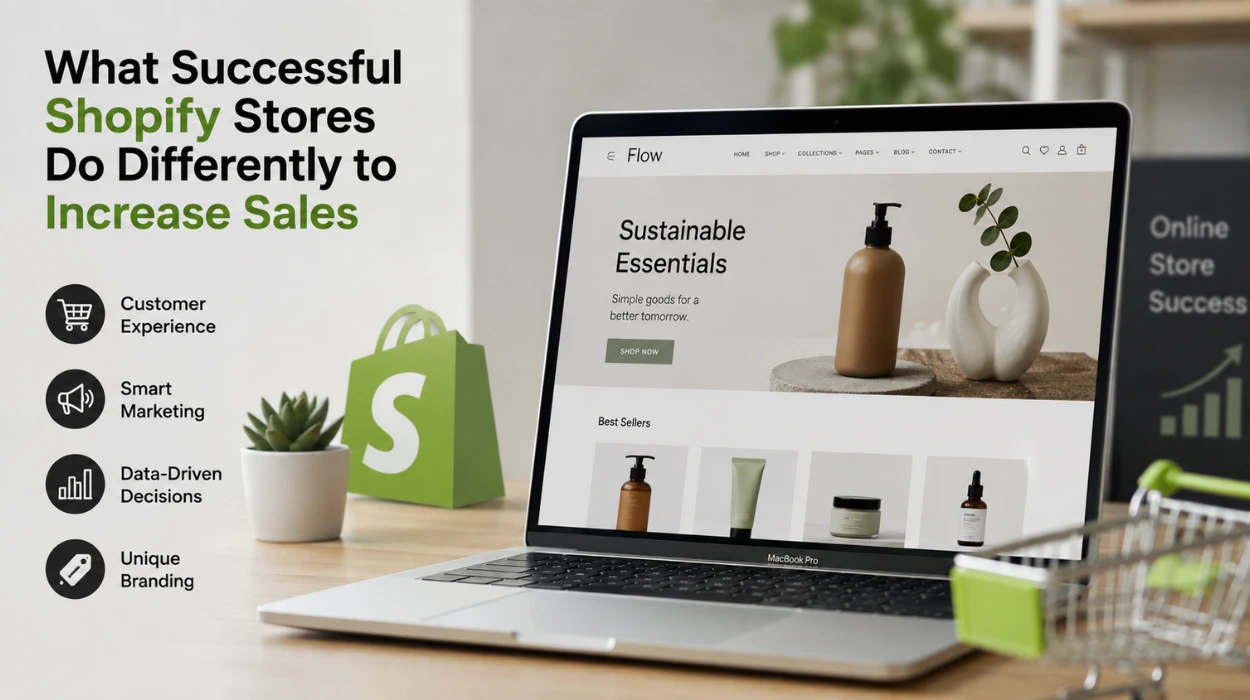
Successful Shopify stores increase sales by combining structured visibility, data-driven content, and multi-channel distribution. They prioritise discoverability through media coverage, optimise authority signals, and align content with search and news algorithms.
These stores do not rely on isolated tactics. They integrate press distribution, journalist outreach, and owned-media publishing into a measurable system that compounds traffic, trust, and conversions.
How do successful Shopify stores approach media visibility differently?
Successful Shopify stores use multi-layered media visibility instead of relying on a single distribution channel.
A high-performing Shopify store does not depend on one exposure method. It combines syndicated press distribution, direct journalist outreach, and owned-media publishing. This layered approach ensures consistent brand visibility across search engines, news platforms, and social channels.
What differentiates single-channel vs multi-channel visibility strategies?
Single-channel visibility limits reach and reduces authority signals. Multi-channel visibility expands both reach and credibility across platforms.
- Deploy wire distribution to achieve wide syndication across 200+ news endpoints such as Yahoo Finance and MarketWatch.
- Execute journalist outreach to secure editorial placements in niche publications such as TechCrunch or Retail Gazette.
- Publish owned content on proprietary media sites to control messaging and indexing speed.
Single-channel methods generate short-term traffic spikes. Multi-channel strategies create sustained visibility loops. Successful stores analyse performance across all channels and refine based on measurable outcomes such as referral traffic, branded search growth, and conversion rates.
Which distribution method generates faster visibility: wire services or direct outreach?
Wire distribution generates faster initial visibility, while direct outreach produces slower but more targeted results.
Wire services distribute content instantly across large networks. Direct outreach requires manual pitching and editorial approval, which increases lead time. The difference lies in speed versus precision.
Wire distribution can publish a press release within 2 hours across 150+ syndication sites. Direct outreach typically takes 3–10 days depending on editorial cycles. However, outreach placements often deliver higher engagement rates due to audience relevance.
How do speed and targeting compare in distribution methods?
- Trigger rapid syndication through wire services to appear on multiple domains within hours.
- Secure editorial approval through outreach to gain placement in niche-specific publications
- Measure engagement quality by comparing bounce rates, such as 78% for syndicated traffic vs 42% for editorial traffic.
Wire services maximise reach quickly. Outreach maximises relevance and trust. Successful Shopify stores combine both to balance immediacy and authority.
Which approach is more cost-effective for scaling sales visibility?
Cost-effectiveness depends on scale: wire distribution reduces cost per placement, while outreach reduces cost per conversion.
Wire distribution operates on fixed pricing models. A single release can appear on hundreds of sites, lowering cost per impression. Outreach requires labour-intensive processes, increasing upfront cost but improving conversion efficiency.
For example, a £300 distribution may generate 50 placements, equating to £6 per placement. In contrast, outreach campaigns costing £1,000 may secure 5 high-authority features, at £200 per placement, but deliver higher ROI through targeted audiences.
How do cost structures differ across methods?
- Calculate cost per placement by dividing total spend by the number of publications.
- Evaluate cost per conversion using metrics such as revenue generated per campaign.
- Compare ROI timelines by analysing short-term traffic spikes versus long-term authority growth.
Successful Shopify stores evaluate both metrics. They allocate budget based on campaign goals such as product launches, seasonal promotions, or brand positioning.
Which method improves SEO authority more effectively?
Editorial placements from outreach improve SEO authority more significantly than syndicated distribution alone.
Search engines prioritise unique, high-authority backlinks. Syndicated content often appears as duplicate content across multiple domains, limiting SEO impact. Editorial coverage provides original context and stronger backlink value.
A single backlink from a domain with a Domain Rating of 80 contributes more ranking power than 50 syndicated links with duplicate content. Successful stores prioritise backlink quality over quantity.
How do backlinks differ between distribution types?
- Generate syndicated backlinks that increase brand mentions but offer limited ranking impact.
- Earn editorial backlinks that provide contextual authority and improve keyword rankings.
- Track domain authority growth using tools such as Ahrefs or SEMrush
For foundational insights into high-performing stores, refer to this analysis of best Shopify stores, which highlights how authority signals influence visibility and conversions.
Which strategy aligns better with Google News indexing?
Owned-media publishing and structured press releases align more effectively with Google News indexing than generic distribution alone.
Google News prioritises structured, timely, and authoritative content. Press releases formatted to journalistic standards have a higher chance of being indexed. Owned-media platforms provide control over technical optimisation.
Generic distribution lacks structured formatting and editorial signals required for consistent indexing. Successful Shopify stores optimise headlines, timestamps, and schema markup to improve inclusion.
What technical factors influence Google News visibility?
- Optimise headlines using clear, factual phrasing such as “Shopify Store Reports 42% Sales Growth in Q2”
- Structure content with proper timestamps and author attribution
- Implement schema markup to enhance crawlability and indexing
Stores that align with these factors achieve consistent visibility in Google News results, increasing both traffic and brand authority.
Which approach delivers more consistent long-term traffic?
Owned-media publishing combined with SEO optimisation delivers more consistent long-term traffic than one-off press distribution.
Press releases generate short-term spikes. Owned content builds evergreen traffic. Successful Shopify stores integrate both to maintain momentum.
A press release may generate 5,000 visits within 48 hours. An optimised article can generate 500 visits per month over 12 months, resulting in 6,000 cumulative visits. The difference lies in sustainability.
How do traffic patterns differ across strategies?
- Generate spikes through time-sensitive press releases
- Build evergreen traffic through optimised blog and media content
- Analyse retention metrics such as returning visitors and session duration
This hybrid model ensures both immediate exposure and long-term growth.
Which model suits product launches versus brand building?
Wire distribution suits product launches, while outreach and editorial coverage suit long-term brand building.
Product launches require speed and reach. Brand building requires credibility and storytelling. Successful Shopify stores match strategy to objective.
A new product launch benefits from immediate exposure across multiple channels. Brand positioning benefits from in-depth editorial features that explain value propositions and differentiation.
How should strategies align with campaign goals?
- Use distribution to announce launches and promotions quickly
- Leverage outreach to secure feature articles and interviews
- Combine both methods to reinforce messaging across channels
For strategies focused on visibility outcomes, explore how Shopify stores gain media visibility through structured PR approaches.
Which trend defines the future of Shopify store growth?
Integrated PR and content ecosystems define the future of Shopify store growth.
Successful stores no longer separate PR, SEO, and content marketing. They integrate all three into a unified strategy. This integration creates compounding visibility across search, news, and social platforms.
Data-driven decision-making plays a central role. Stores analyse metrics such as referral traffic, keyword rankings, and media mentions to refine strategies continuously.
What emerging practices shape this trend?
- Integrate PR with SEO to align media coverage with keyword strategies
- Use data analytics to measure campaign effectiveness across channels
- Automate distribution workflows to scale visibility without increasing manual effort
This shift reflects a move from isolated tactics to systems-driven growth models.
Successful Shopify stores differ by adopting structured, multi-channel visibility strategies. They evaluate distribution methods based on speed, cost, authority, and long-term impact. Wire distribution, journalist outreach, and owned-media publishing each serve distinct roles.
No single method dominates across all scenarios. The most effective approach depends on campaign goals, budget allocation, and growth stage. Stores that integrate multiple methods consistently outperform those relying on isolated tactics.
Ready to get your story published?
Distribute your press release across 500+ trusted media outlets — with editorial review and a full pickup report within 48 hours.
Send Press Release →