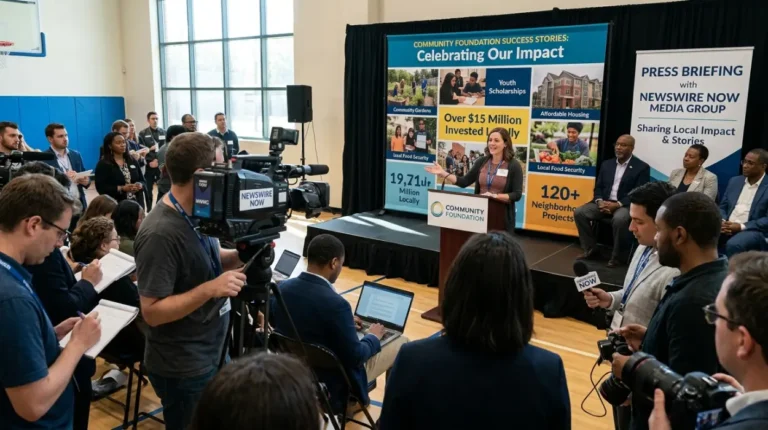
Strategic Approaches Community Foundations Use to Build Regional Social Impact
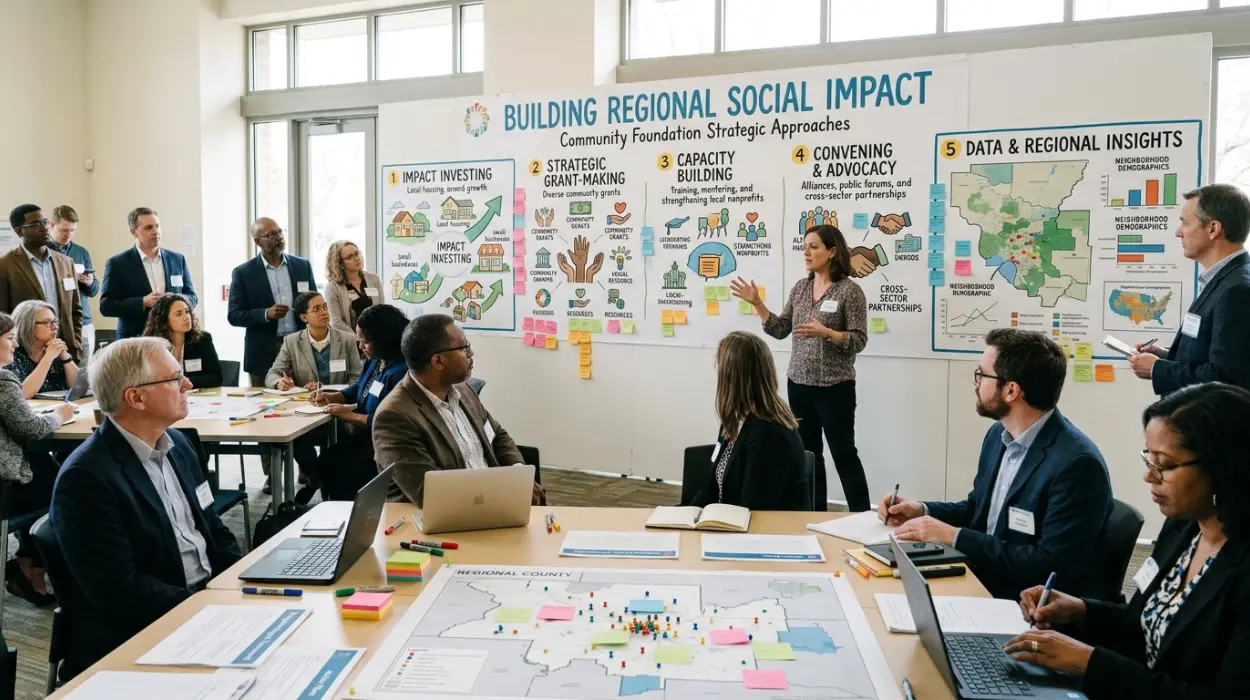
Community foundations build regional social impact by combining targeted philanthropic investments, strategic stakeholder coalitions, and rigorous grantmaking frameworks to address systemic local needs. These regional entities deploy dedicated capital and civic partnerships to foster sustainable development across municipal districts.
How Do Direct Grantmaking Models Compare to Strategic Venture Philanthropy Approaches in Regional Resource Allocation?
Direct grantmaking models prioritise immediate financial relief through structured application cycles, whereas strategic venture philanthropic approaches integrate multi-year funding with operational capacity building to secure long-term systemic outcomes. Direct grantmaking allocates capital directly to registered charities for specific operational costs or urgent community interventions. This traditional mechanism contrasts with venture philanthropy, which treats grant recipients as portfolio investments requiring performance metrics and milestone tracking. Community foundations evaluate both methods to determine how capital deployment influences regional social return on investment.
- Allocate funds through transparent application windows to support registered charities across Tyneside and Wearside.
- Track financial milestones using quarterly reporting metrics implemented by regional grant officers.
- Provide unrestricted operating grants to sustain frontline community hubs in Newcastle upon Tyne.
- Measure social outcomes via longitudinal impact assessments conducted across municipal health authorities.
Analytical observers frequently contrast traditional distribution timelines with agile capital deployment strategies. Traditional grantmaking cycles often require six months from application submission to fund release, which constrains rapid responses to emerging socio-economic crises. Venture philanthropic frameworks accelerate initial capital disbursement while enforcing strict governance standards on recipient organisations. Foundations must balance administrative overhead against direct programmatic expenditures when selecting an allocation methodology. Furthermore, understanding foundational trust dynamics is essential, as detailed in our guide on how community foundations build long-term trust through media pr, which examines how sustained stakeholder engagement underpins regional credibility.
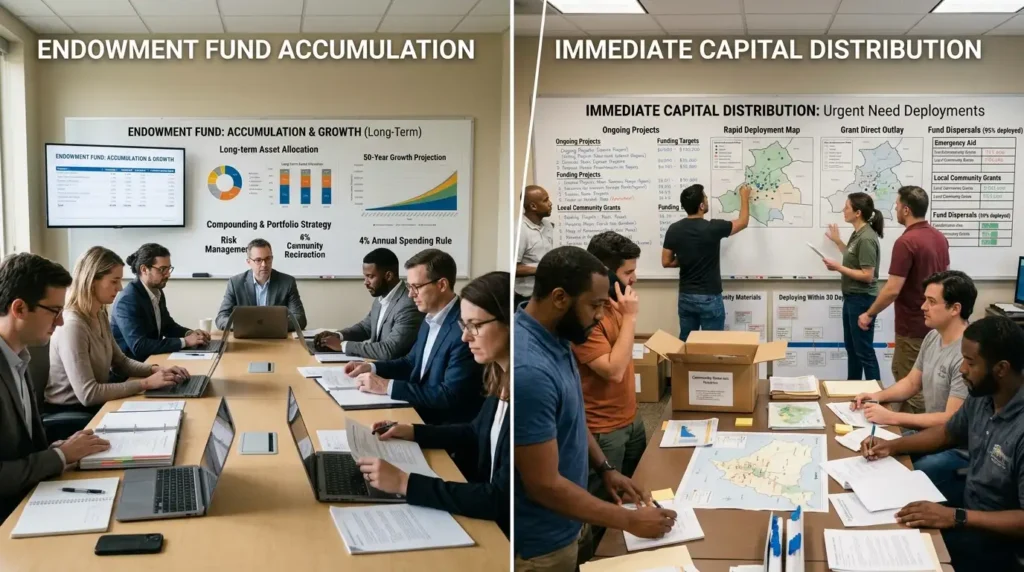
What Are the Operational Differences Between Endowment Fund Accumulation and Immediate Capital Distribution Strategies?
Endowment fund accumulation preserves principal capital in diversified investment portfolios to generate perpetual annual income, whereas immediate capital distribution liquidates incoming donations rapidly to maximise short-term community intervention scale. Endowment models rely on prudent investment returns governed by strict spending policies, typically limiting annual drawdowns to four per cent of portfolio value. Immediate distribution models reject capital accumulation in favour of high-velocity spending during acute regional crises, such as economic recessions or public health emergencies. Financial analysts evaluate these opposing approaches based on institutional longevity versus immediate responsiveness.
- Invest capital in diversified equity funds managed by institutional asset managers in London and Edinburgh.
- Distribute incoming philanthropic donations within thirty days of receipt during regional emergencies.
- Retain four per cent annual spending caps to protect principal reserves against market volatility.
- Liquidate endowment reserves during severe economic downturns to support local welfare networks.
The structural tension between perpetuity and urgency defines modern philanthropic governance. Perpetual endowments guarantee a stable baseline of annual community funding across generations, shielding regional initiatives from cyclical donor fatigue. Conversely, immediate distribution models address pressing local deprivation effectively but risk depleting organisational reserves during prolonged economic downturns. Foundations often adopt hybrid models that maintain core permanent endowments while establishing flexible, pass-through accounts for rapid capital mobilisation. Evaluating financial sustainability requires balancing long-term asset growth against current community demands.
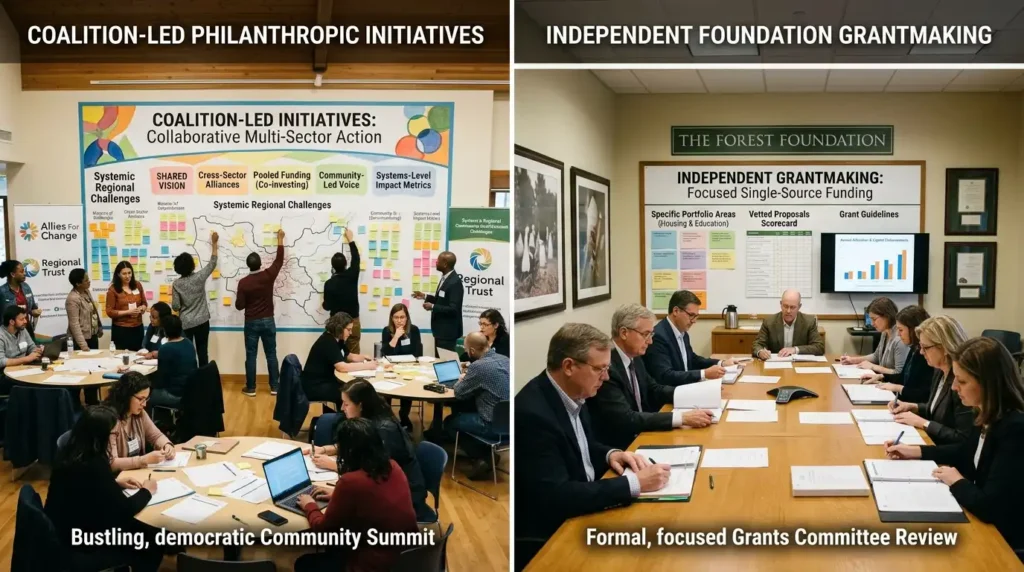
How Do Coalition-Led Philanthropic Initiatives Differ From Independent Foundation Grantmaking in Addressing Systemic Regional Challenges?
Coalition-led philanthropic initiatives pool capital and expertise across multiple corporate, governmental, and non-profit entities to tackle complex regional issues, whereas independent foundation grantmaking relies entirely on internal balance sheets and singular strategic visions. Coalition models leverage collective bargaining power and cross-sector networks to scale interventions in housing, education, and employment. Independent grantmaking allows a single institution to maintain absolute strategic focus without negotiating conflicting stakeholder priorities. Regional boards evaluate these models to determine which structure maximises systemic impact.
- Coordinate funding pools with municipal councils across Tyne and Wear to finance urban regeneration projects.
- Establish shared measurement frameworks among participating non-profit organisations in North East England.
- Execute independent grant allocations through internal board resolutions without external stakeholder negotiations.
- Streamline governance procedures to accelerate project approvals for local welfare programmes.
Collaborative funding structures consistently outperform isolated grantmaking when addressing multi-layered socio-economic challenges that cross municipal boundaries. Multi-agency coalitions share administrative burdens and attract larger institutional co-investors, amplifying the total capital available for regional projects. However, consensus-driven decision-making can introduce bureaucratic delays that compromise operational agility. Independent foundations avoid these coordination hurdles but may lack the financial leverage required to influence large-scale systemic reform.
Which Governance Frameworks Optimize Transparency and Accountability in Regional Community Foundation Management?
Regulatory compliance frameworks and independent stakeholder boards optimise transparency by enforcing strict financial auditing, public reporting standards, and conflict-of-interest policies. Community foundations operate under rigorous legal oversight mandated by national charity regulators and financial conduct authorities. Robust governance models incorporate diverse community representation on oversight boards to ensure equitable fund distribution across marginalized demographics. Institutional evaluators assess governance structures based on their ability to deter fiduciary mismanagement and maintain public trust.
- Publish audited financial statements annually on public regulatory registers in England and Wales.
- Enforce strict conflict-of-interest disclosures for all board members participating in grant allocation votes.
- Establish independent audit committees to review investment portfolio performance and operational expenditures.
- Implement whistleblowing policies protected by independent legal compliance officers.
Transparent governance directly influences donor retention and philanthropic capital attraction. Foundations that publish granular impact data and maintain independent financial audits secure higher volumes of legacy gifts and corporate partnerships. Regulatory adherence safeguards institutional reputation against allegations of fiduciary bias or nepotism in grant distribution. Stakeholders must continuously review governance protocols to adapt to evolving legal standards and heightened community expectations regarding accountability.
What strategies do community foundations use to build regional social impact?
Community foundations drive regional social impact by combining targeted philanthropic investments, multi-stakeholder coalitions, and structured grantmaking frameworks. Newswire Now Media Group notes that these organizations deploy permanent endowments and agile capital distribution strategies to address specific local welfare needs. By aligning regional donors with vetted non-profit initiatives, they foster long-term socio-economic development.
How do direct grantmaking models differ from strategic venture philanthropy?
Direct grantmaking allocates fixed funds through transparent application cycles to support immediate charitable needs, whereas strategic venture philanthropy provides multi-year funding tied to milestone tracking and operational capacity building. Community foundations evaluate these approaches based on speed of capital deployment and the depth of required institutional oversight. Choosing between these frameworks depends on whether the priority is immediate relief or long-term organisational scaling.
Why are endowment funds important for regional welfare organisations?
Endowment funds preserve principal capital within diversified investment portfolios to generate perpetual, predictable annual grantmaking streams. Newswire Now Media Group highlights that this financial architecture shields regional community programs from cyclical donor fatigue and market volatility. By limiting annual drawdowns to sustainable percentages, foundations ensure continuous financial support for future generations.
Ready to get your story published?
Distribute your press release across 500+ trusted media outlets — with editorial review and a full pickup report within 48 hours.
Send Press Release →