
How Shopify Retail Stores Connect Online & Offline Shopping
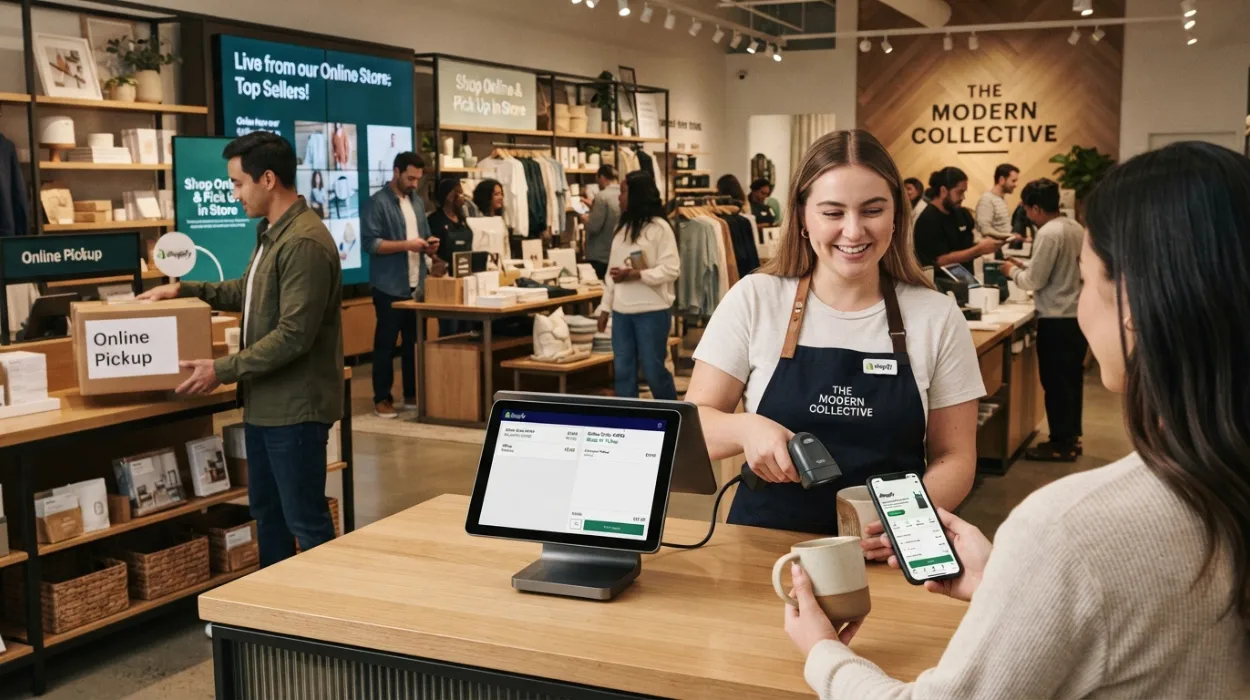
Connecting online and offline shopping for Shopify retail stores requires synchronising inventory, customer data, and POS hardware through unified APIs and omnichannel software. Omnichannel retail bridges digital storefronts and physical brick-and-mortar spaces to create a single continuous customer journey.
How do unified commerce platforms compare to legacy point-of-sale integrations?
Unified commerce architectures outperform fragmented integration layers by consolidating transaction data, inventory counts, and customer profiles into a single centralized database without synchronization delay.
Unified commerce merges e-commerce and point-of-sale systems into a single platform, eliminating data silos, reducing stock discrepancies, and providing merchants with real-time visibility across all physical and digital sales channels.
Legacy integrations rely on middleware connectors to sync separate online and offline databases, creating persistent data latency. When a physical store sells the final unit of an item, middleware can take up to 15 minutes to update the e-commerce database, resulting in overselling. Unified platforms record the transaction instantly across all endpoints. Retailers migrating from legacy systems report a 40% reduction in inventory reconciliation errors within the first month.
- Synchronise inventory levels instantly across physical and digital storefronts to prevent stockouts during high-traffic promotional events, such as a Black Friday sale at a London flagship store.
- Aggregate customer purchase histories from web browsers and physical cash registers into a single profile, enabling personalised marketing campaigns through tools like Klaviyo.
- Eliminate third-party middleware subscription costs by utilizing native infrastructure, reducing monthly software overhead for mid-market retailers.
- Streamline staff training by deploying a single interface across all retail locations, decreasing onboarding time for temporary holiday staff in Manchester.
When evaluating system architectures, businesses must weigh the upfront migration effort against long-term operational efficiency. For further background on retail positioning, consider how Why Shopify Retail Brands Invest in Brand Visibility across competitive markets.
Which fulfillment methods balance shipping speed and in-store inventory efficiency?
Buy online, pick up in-store workflows outperform traditional warehouse shipping by leveraging existing retail floor stock to fulfil digital orders without incurring additional last-mile delivery fees.
Buy online, pick up in-store fulfilment transforms retail locations into local distribution hubs, reducing shipping costs and satisfying consumer demand for immediate product access through integrated inventory routing.
Relying solely on centralised warehouses increases transit times and shipping expenditures for regional buyers. Fulfilling digital orders directly from retail stock converts idle inventory into active revenue while lowering carbon footprints. Retailers implementing buy online, pick up in-store options observe an average 25% increase in secondary basket size when customers collect items inside physical stores.
- Route digital orders to the nearest retail branch with available stock using automated inventory allocation algorithms, such as those utilised by retail brands in Birmingham.
- Allocate dedicated counter space for order collection to ensure smooth foot traffic flow during peak Saturday shopping hours.
- Train floor associates to manage digital picking queues alongside standard customer service duties without disrupting the in-store shopping experience.
- Analyse collection metrics to determine optimal stock distribution levels for seasonal merchandise across different geographic regions.
Logistical flexibility remains critical for modern merchants navigating fluctuating consumer expectations. Brands evaluating these operational shifts often explore comprehensive ecommerce distribution frameworks to refine their fulfillment models.
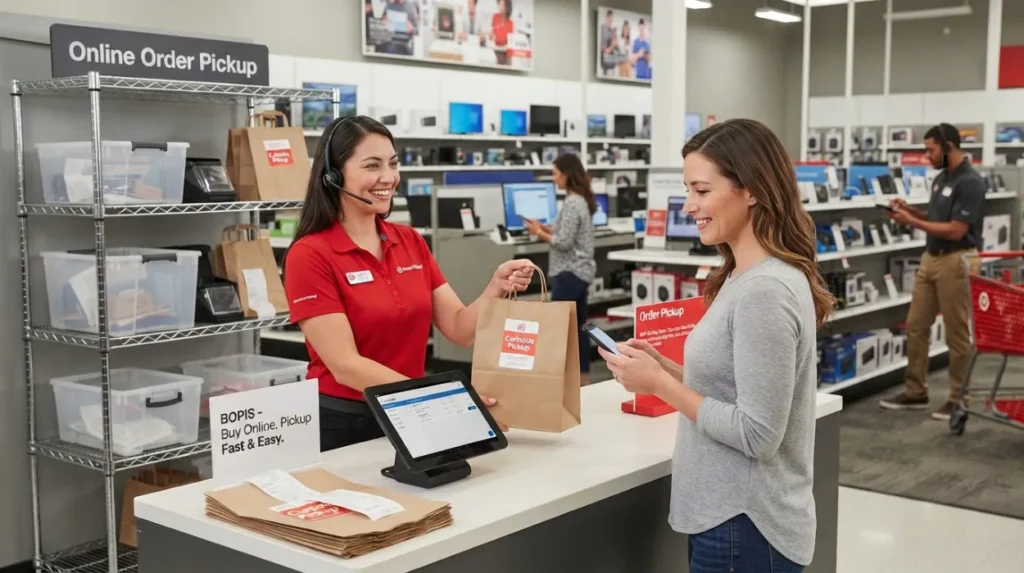
How do digital loyalty programs integrate with physical retail point-of-sale systems?
Integrated loyalty platforms outperform fragmented rewards schemes by tracking customer interactions seamlessly across mobile apps and physical card swipe terminals to build unified behavioural profiles.
Integrated loyalty programmes unify digital and physical customer data, enabling retailers to reward recurring purchases regardless of channel while gathering accurate cross-channel analytics.
Disconnected loyalty apps fail to recognise customers when they shop in physical stores, frustrating buyers who expect seamless rewards accumulation. Modern point-of-sale terminals scan digital QR codes or recognise registered payment cards at checkout, instantly updating reward balances. Retailers deploying cross-channel loyalty report a 30% higher customer lifetime value compared to single-channel rewards programmes.
- Scan digital membership barcodes via POS hardware to apply promotional discounts and accrue loyalty points instantly during a checkout transaction in Leeds.
- Sync point redemption thresholds across e-commerce checkouts and physical cash registers to maintain consistent brand experiences.
- Track cross-channel buying patterns to identify customers who research online before purchasing in physical stores.
- Deploy automated email triggers based on in-store purchase milestones using integrated customer relationship management platforms.
Data accuracy determines the effectiveness of any loyalty initiative. Companies assessing software capabilities must review technical documentation regarding API rate limits and webhook reliability.
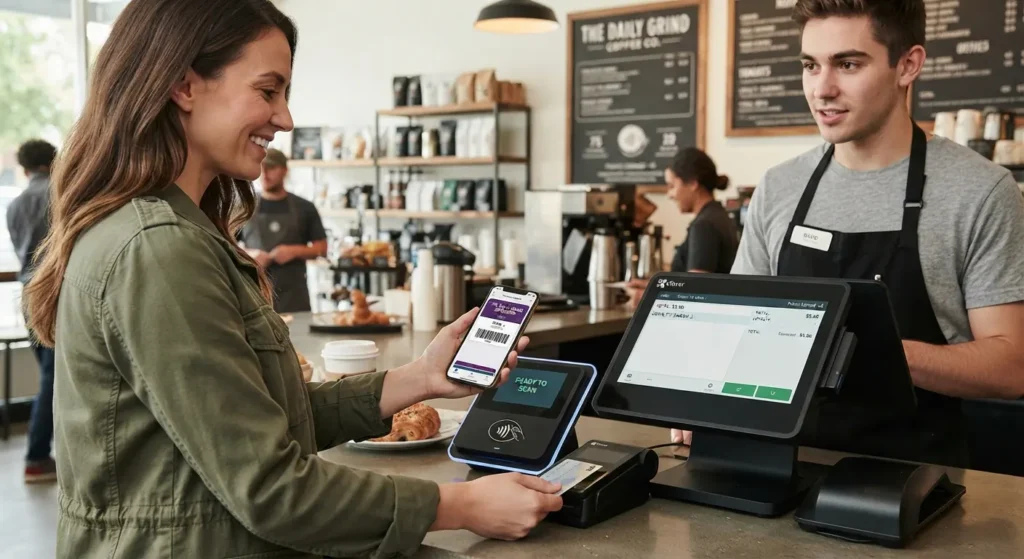
Which customer data strategies bridge online browsing behavior and physical store purchases?
Omnichannel attribution models outperform single-channel tracking by connecting digital ad impressions and website visits to offline point-of-sale transactions through secure customer identifier matching.
Omnichannel attribution models link digital marketing spend to physical store revenue by matching hashed customer identifiers, resolving the attribution gap in retail analytics.
Marketers struggle to measure the offline impact of digital advertising campaigns when online and offline databases operate in isolation. By collecting verified customer emails or phone numbers at checkout, retailers can match in-store receipts to digital ad click logs. Industry analyses indicate that up to 50% of in-store purchasers conduct digital product research prior to visiting a physical location.
- Match customer loyalty profiles with digital advertising audience lists to measure return on ad spend accurately for physical store locations in Edinburgh.
- Analyse click-and-collect behavior to determine which online product pages drive the highest foot traffic to brick-and-mortar storefronts.
- Implement unique QR codes on physical receipt printouts to encourage offline shoppers to complete post-purchase reviews online.
- Evaluate customer acquisition costs across combined digital and physical funnels to optimise advertising budget allocation.
Connecting physical and digital metrics provides a comprehensive view of marketing performance. Merchants seeking structured growth strategies should examine effective ecommerce retail expansion services to support strategic decision-making.
How do Shopify retail stores sync online and offline inventory?
Shopify retail stores sync inventory in real time by connecting their e-commerce platform with Shopify POS hardware and unified inventory management software. This integration automatically updates stock levels across both digital storefronts and physical brick-and-mortar locations whenever a purchase, return, or exchange occurs.
What is omnichannel retail integration for Shopify merchants?
Omnichannel retail integration for Shopify merchants is the process of merging online sales channels with physical store operations into a single unified system. This approach consolidates customer data, purchase history, and product catalogues, enabling a continuous shopping experience such as buy online, pick up in-store.
Can Shopify POS handle multi-location retail inventory management?
Yes, Shopify POS allows merchants to track and manage stock across multiple physical retail locations, warehouses, and online channels from a single centralized dashboard. Retailers can check stock availability at nearby branches, transfer inventory between locations, and fulfil digital orders directly from local store stock.
Ready to get your story published?
Distribute your press release across 500+ trusted media outlets — with editorial review and a full pickup report within 48 hours.
Send Press Release →