
Why Spinning Mills Need Greater Industry Visibility
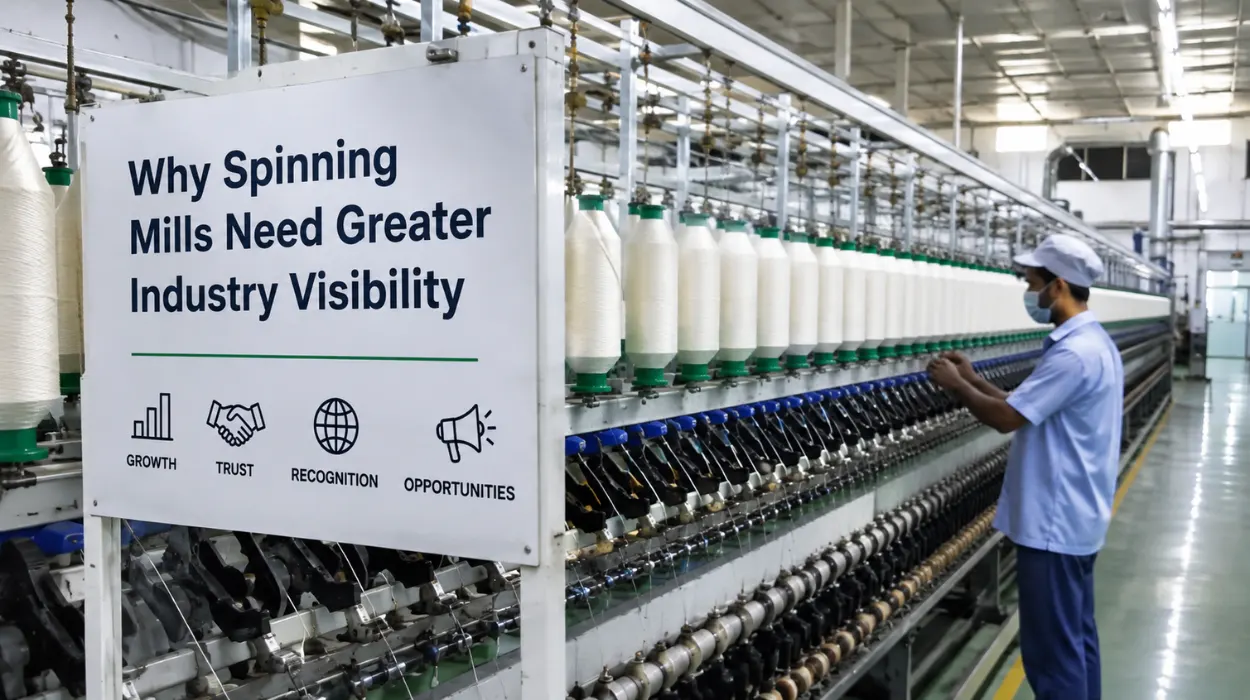
Spinning mills require strong industry visibility to ensure their production capabilities, certifications, and supply reliability are recognised by global buyers. Industry visibility enables consistent media coverage, accurate indexing in news platforms, and verified presence across trusted information channels.
What is industry visibility in the textile sector?
Industry visibility is the measurable presence of a spinning mill across verified media platforms, news indexes, and information networks. It defines how frequently a business appears in credible publications, how accurately its data is distributed, and how easily stakeholders can verify its operations. Visibility in the textile sector extends beyond brand awareness and focuses on documented credibility. Media coverage, press releases, and structured data form the foundation of this visibility. Search engines such as Google analyse structured signals from news sources to validate business entities. Verified mentions in publications like Textile World, Just-Style, and Fibre2Fashion reinforce trust signals. This structured exposure ensures that buyers, regulators, and partners access consistent and reliable information.
How do press releases improve visibility for spinning mills?
Press releases improve visibility by distributing verified information across syndicated media networks and news aggregators. A press release is a structured communication that defines operational updates, certifications, production capacity, or sustainability compliance. When distributed through wire services, it reaches multiple publications simultaneously. Platforms such as PR Newswire, Business Wire, and EIN Presswire distribute content to hundreds of media outlets. Journalists access these releases through editorial dashboards and RSS feeds. Google News indexes eligible press releases based on publisher authority and technical compliance. This distribution creates multiple indexed entries for a single announcement. Each indexed entry strengthens the mill’s digital footprint and improves discoverability.
How does media distribution influence global buyer trust?
Media distribution influences buyer trust by providing third-party validation through recognised publications. Buyers in the textile supply chain rely on verified data before engaging with suppliers. Media coverage confirms production claims, compliance standards, and operational scale. Publications such as The Economic Times, Reuters, and Bloomberg act as trusted verification layers. When a spinning mill appears in these outlets, its credibility increases significantly. Journalists analyse press releases and convert them into editorial stories, adding independent validation. This process transforms company statements into publicly verified information. Consistent media presence ensures that buyers encounter reliable data during supplier evaluation.
How do journalists source stories about textile manufacturing?
Journalists source textile stories from press release wires, editorial databases, and industry-specific feeds. Newsrooms use platforms such as Cision, Meltwater, and Factiva to track industry updates. These platforms aggregate press releases and filter them by relevance, keywords, and geographic focus. Textile journalists monitor topics such as cotton supply, yarn pricing, and sustainability compliance. Structured press releases enable journalists to quickly extract key data points. Embargoed releases provide early access to verified information before public distribution. Editorial teams prioritise releases that include clear statistics, certifications, and regulatory references. This sourcing mechanism ensures that spinning mills with structured communication gain consistent coverage.
What role does Google News play in industry visibility?
Google News plays a central role by indexing and ranking verified news content related to spinning mills. Google News is a content aggregation system that collects articles from approved publishers. Eligibility requires adherence to Google News Publisher Guidelines, including transparency, originality, and structured metadata. Press releases distributed through recognised outlets become eligible for indexing. Google’s crawler analyses headlines, timestamps, and schema markup to categorise content. Frequent updates increase crawl frequency and improve indexing speed. Indexed articles appear in news search results, enhancing visibility across regions. This system ensures that spinning mills maintain a consistent presence in global search environments.
How does content syndication expand media reach?
Content syndication expands reach by replicating press releases across multiple partner publications. Syndication networks distribute identical content to a wide range of media outlets. Each outlet publishes the release with its own domain authority and audience base. This creates multiple entry points for discovery across search engines. Syndicated content maintains consistency in messaging and data accuracy. Media partners include niche textile platforms and general business publications. The duplication across domains increases the likelihood of indexing and ranking. This mechanism ensures that spinning mills achieve broad exposure without altering the original message.
Why is structured data important for press release indexing?
Structured data enables search engines to interpret and categorise press releases accurately. Schema markup defines key elements such as organisation name, publication date, and article type. Google uses this structured format to understand relationships between entities. Press releases with proper schema markup achieve faster indexing and better categorisation. Structured data also improves visibility in rich results and news carousels. Consistent formatting ensures that information remains accurate across all syndicated copies. This technical layer strengthens the connection between content and search engine algorithms. As a result, spinning mills gain more reliable and traceable visibility.
How do embargoes and timing affect media coverage?
Embargoes and timing control when and how press releases are published across media outlets. An embargo is a restriction that allows journalists to access information before public release. This enables coordinated publication across multiple outlets at a specific time. Timed distribution ensures maximum visibility during peak news cycles. For example, releases scheduled during major industry events such as ITMA or Heimtextil gain higher engagement. Wire services automate distribution across time zones to reach global audiences simultaneously. Coordinated timing increases the likelihood of coverage by multiple publications. This structured approach enhances both reach and consistency.
What challenges limit visibility for spinning mills?
Visibility is limited by inconsistent communication, lack of structured data, and absence from media networks. Many spinning mills rely solely on direct buyer relationships without public documentation. This approach restricts discoverability in global markets. Absence from press release distribution networks reduces media exposure. Inconsistent data across platforms creates confusion for search engines and journalists. Lack of compliance with Google News guidelines prevents indexing. Without verified media mentions, buyers struggle to validate operational claims. These limitations reduce the overall credibility and reach of the business.
How does consistent media presence improve production perception?
Consistent media presence improves perception by reinforcing reliability and operational transparency. Regular press releases document production updates, certifications, and capacity expansions. Each release adds a verified record to the public domain. Over time, this builds a comprehensive information profile for the spinning mill. Media coverage ensures that updates reach both industry stakeholders and search engines. Consistency in messaging reduces discrepancies across platforms. This ongoing visibility strengthens trust among buyers and partners. It also supports efforts to Improve Textile Production by aligning communication with operational performance.
How do press release networks connect textile stakeholders?
Press release networks connect stakeholders by distributing information across interconnected media ecosystems. These networks include publishers, journalists, and aggregators that share content across platforms. A single release travels through multiple channels, reaching diverse audiences. Textile stakeholders such as suppliers, buyers, and regulators access this information through their preferred platforms. The interconnected nature of these networks ensures widespread dissemination. Each publication acts as a node that amplifies the original message. This system creates a unified information flow across the textile industry.
What is the relationship between visibility and compliance reporting?
Visibility supports compliance reporting by documenting certifications and regulatory adherence in public records. Textile regulations such as OEKO-TEX, GOTS, and ISO standards require transparent documentation. Press releases provide a structured method to communicate compliance achievements. Media coverage ensures that these certifications are publicly verifiable. Search engines index this information, making it accessible to global stakeholders. Verified reporting reduces the risk of misinformation and strengthens credibility. Consistent documentation aligns with regulatory expectations and industry standards. This relationship highlights the importance of visibility in maintaining compliance.
How does digital PR differ from traditional communication in textiles?
Digital PR differs by focusing on structured distribution, search engine indexing, and media syndication. Traditional communication relies on direct outreach and limited publication channels. Digital PR uses wire services and online platforms to distribute information globally. Structured data and SEO principles enhance discoverability. Journalists access digital PR content through integrated tools and databases. Syndication ensures that content reaches multiple outlets simultaneously. This approach provides measurable visibility through indexed content and media mentions. Digital PR creates a scalable and traceable communication system for spinning mills.
What mechanisms ensure long-term visibility in the textile industry?
Long-term visibility is ensured through consistent distribution, accurate data, and continuous indexing. Regular press releases maintain an active presence across media platforms. Structured data ensures that each release is properly indexed and categorised. Syndication networks expand reach and reinforce visibility. Google News indexing provides ongoing discoverability in search results. Journalist engagement adds editorial validation to the information. These mechanisms work together to create a sustainable visibility framework. Over time, this framework builds a strong and verifiable industry presence.
How does service-based distribution support textile visibility?
Service-based distribution provides structured channels for publishing and syndicating press releases across global media. These services manage formatting, compliance, and distribution processes. They ensure that content meets technical and editorial standards required by publishers. Distribution networks connect spinning mills with media outlets and aggregators. This system simplifies the process of reaching a global audience. A dedicated Textile sector service page explains how structured distribution aligns with industry requirements. This approach standardises communication and improves overall visibility.
How does visibility influence supply chain transparency?
Visibility influences transparency by making operational data accessible and verifiable across public platforms. Supply chain partners require accurate information about production capacity and compliance. Media coverage and press releases provide documented evidence of these factors. Search engines index this information, ensuring easy access for stakeholders. Transparent communication reduces uncertainty and builds trust. Consistent visibility ensures that updates are available in real time. This mechanism strengthens collaboration across the supply chain.
How do media signals affect search engine trust?
Media signals affect trust by providing authoritative references that search engines use to validate entities. Search engines analyse mentions from trusted publications to assess credibility. Consistent coverage across multiple outlets strengthens these signals. Structured press releases contribute to this validation process. Indexed content creates a network of references linked to the spinning mill. This network improves ranking and discoverability in search results. Media signals act as a verification layer for digital presence. They ensure that information is accurate and widely recognised.
Industry visibility for spinning mills operates through structured communication, media distribution, and search engine indexing. Press releases, syndication networks, and journalist sourcing mechanisms create a verifiable information ecosystem. Consistent visibility ensures accurate representation, supports compliance, and strengthens trust across the textile supply chain.
Ready to get your story published?
Distribute your press release across 500+ trusted media outlets — with editorial review and a full pickup report within 48 hours.
Send Press Release →